

Historical-Artistic Museums
Palazzo Doria Pamphilj Museum
Piazza Umberto Pilozzi, 9
Valmontone
OPENING HOURS
Closed on Mondays
Tuesday to Sunday 9:00 AM–1:00 PM – 4:00 PM–8:00 PM
Reservations recommended on weekends
INFORMATION
PHONE
+39 3312358282
+39 0695990211
EMAIL
palazzvalmontone@gmail.com

Located in the seventeen-century Palazzo Doria Pamphilj, built between 1654 and 1660 at the behest of prince Camillo Pamphilj and designed by the Jesuit architect Benedetto Molli, the Museum is organized in two thematic sections that intertwine with the historical and artistic context of the building, a true Baroque masterpiece of the Sacco Valley.
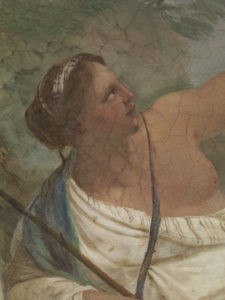
The exhibition path starts on the noble floor, in the 11 rooms adorned with frescoes painted between 1658 and 1661, that make up the historical-artistic section. The pictorial cycle dedicated to the theme of the Four Elements and the Four Continents was fulfilled under the supervision of Pier Francesco Mola, with the involvement of masters of their craft like Francesco Cozza, Mattia Preti, Guglielmo Cortese and Giambattista Tassi. The allegorical adornment of the four corners of the world known at the time was entrusted to these very artists. Other evocative spaces are the Salone del Principe, entirely painted in trompe-l’œil (a highly realistic optical illusion) by Gaspare Dughet and Guglielmo Cortese, and the two chapels with depictions of Saint Agnes and the God Father.
Inside some of the frescoed rooms is an archeological section, arranged following topographic criteria and conceived as a museum inside the museum. The exhibition documents aspects of everyday life and production on the territory through findings dating back between the IV century BC and IV century AD, originally from local sites like the charcoal kiln of Colle Carbone, the manufacturing settlement of Colle dei Lepri and the furnace of Colle Pelliccione.
Among the most outstanding pieces is the Sargofacus of Colle Valeriano, rediscovered in 1936 in the city of the same name in the district of Valmontone: made with fine grain white marble, it has the barely outlined shape of a lenos (basin), it’s equipped with a lid and has, on its front, a depiction of the deceased in a clipeus (metal shield), wearing a tunic and robes.
Video
Galleria

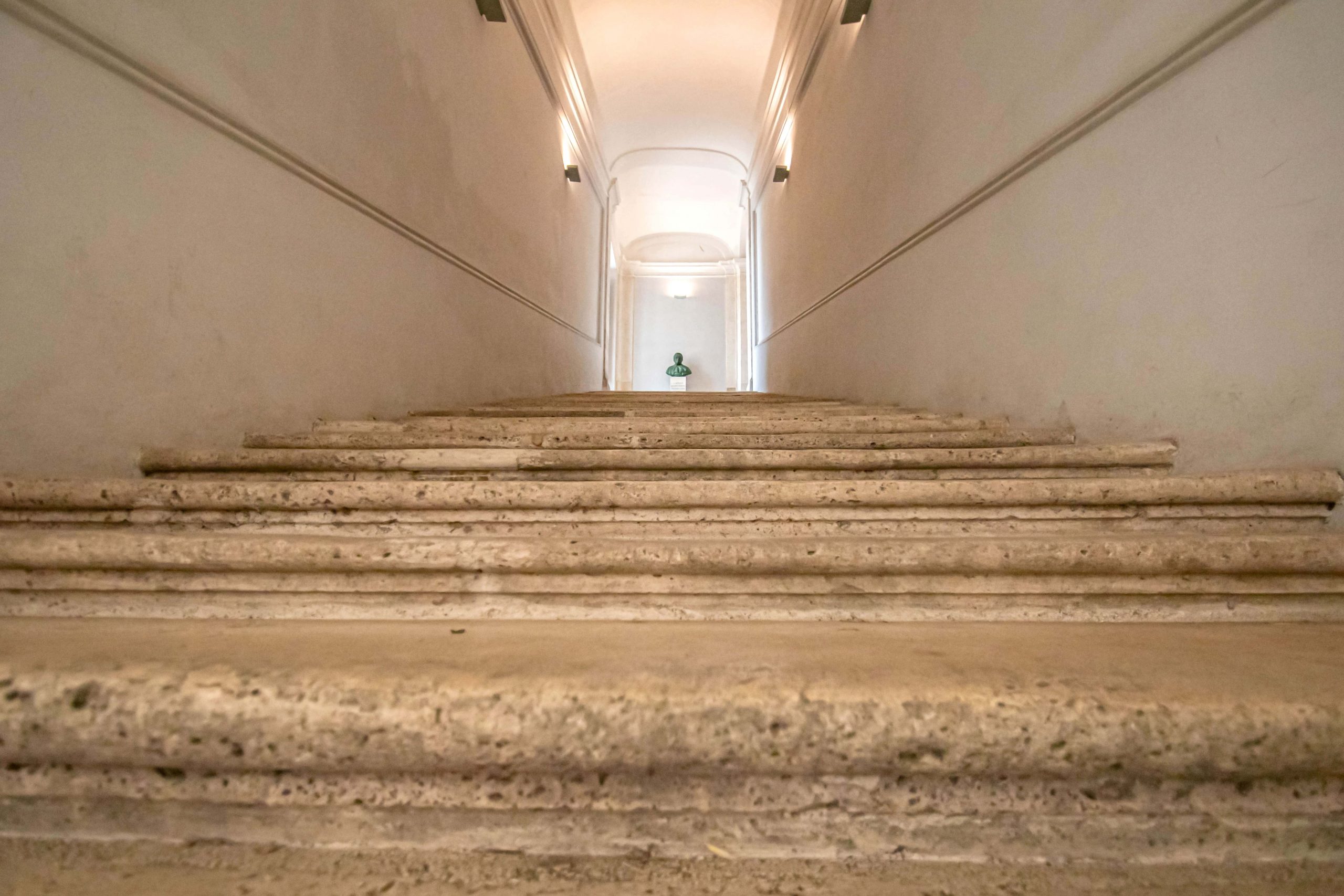
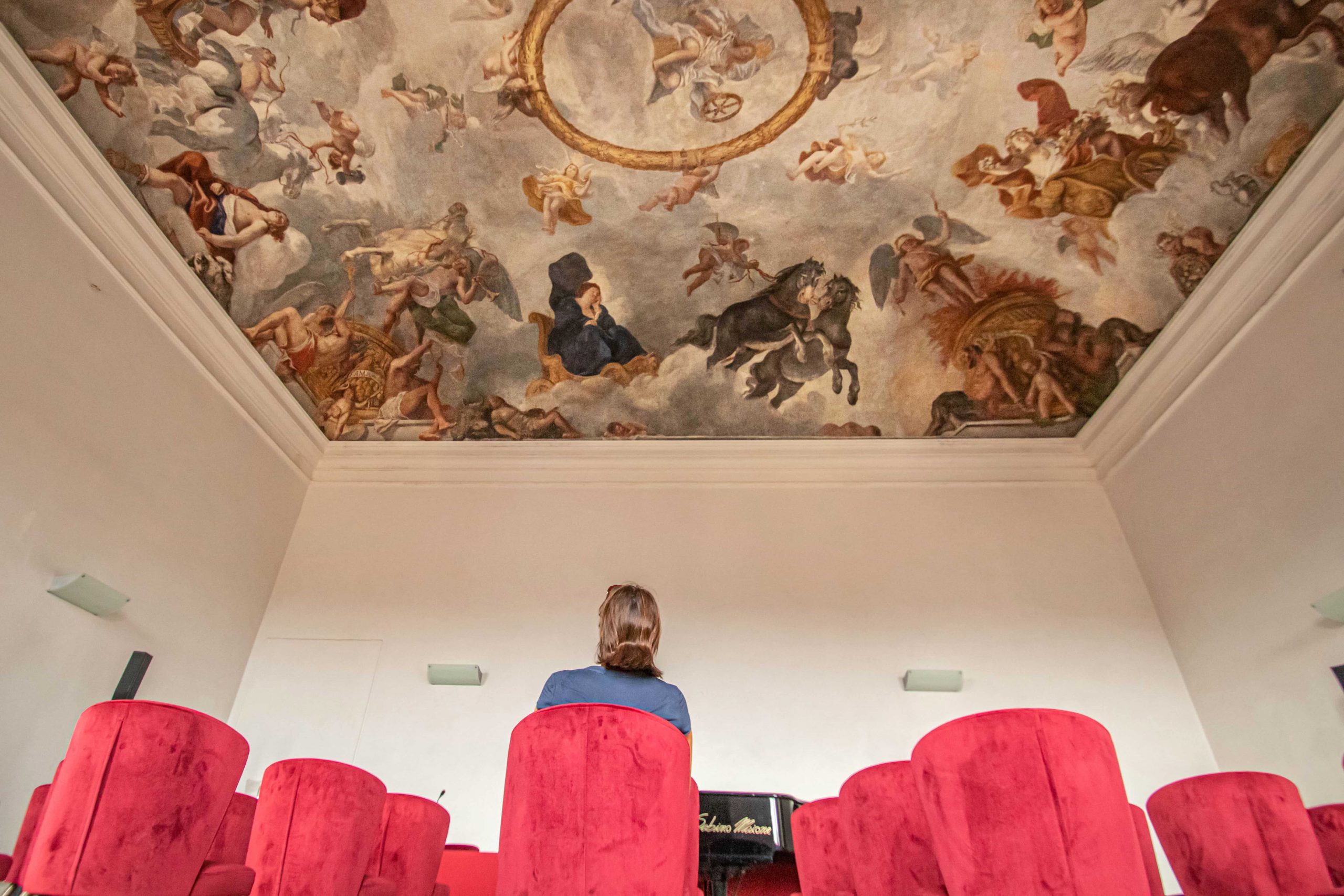


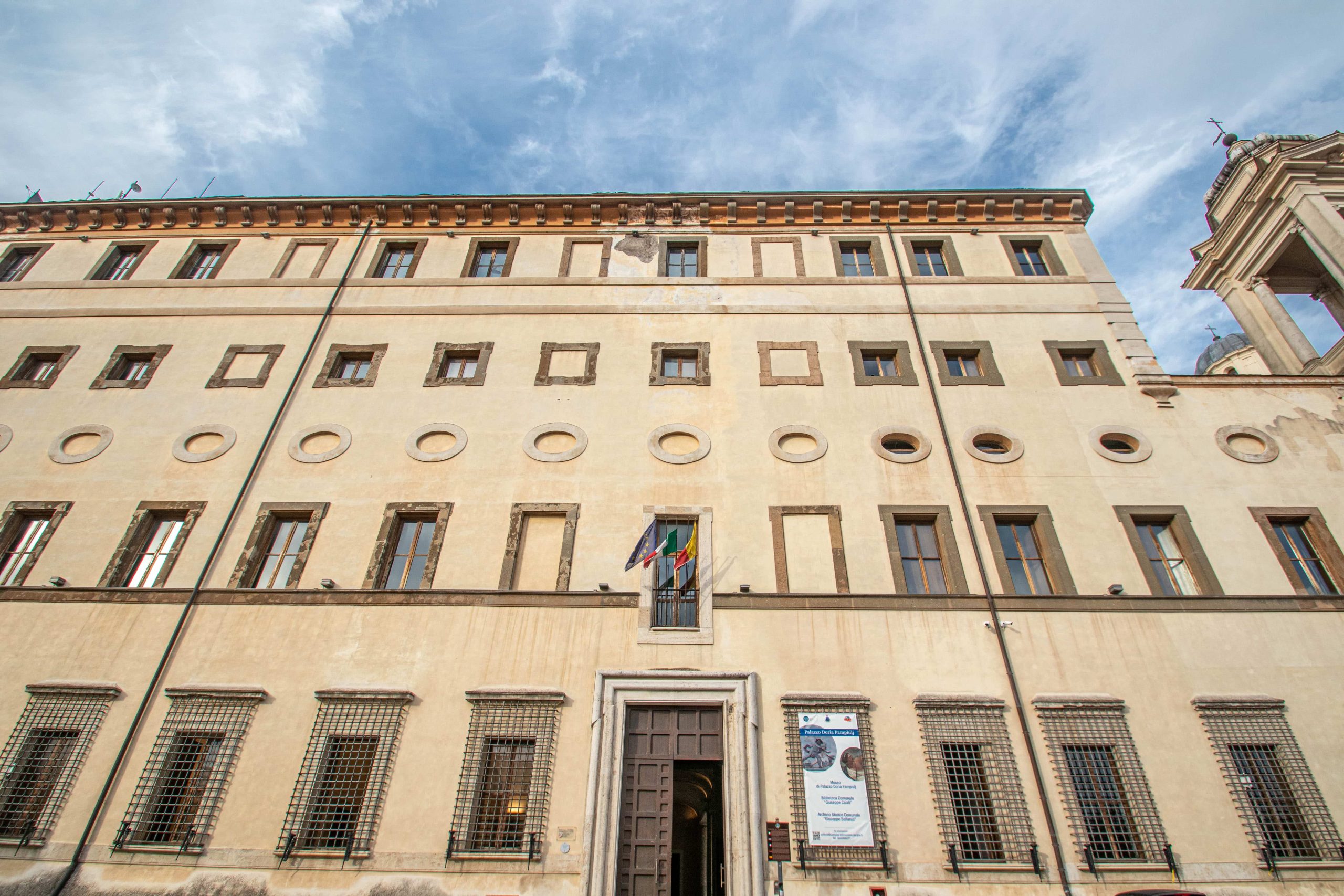
Campagna fotografica realizzata nell’ambito del progetto “Oltre Roma” e finanziata dalla Regione Lazio, Avviso Pubblico “La cultura fa sistema 2021”