

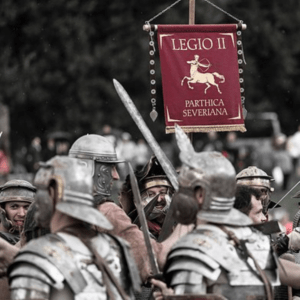
ARCHAEOLOGICAL MUSEUMS
Museum of the Second Parthian Legion
Via Volontari del Sangue, 6/8
Albano Laziale
OPENING HOURS
Monday to Saturday 9:00 AM – 1:00 PM
Monday and Thursday also 3:30 PM – 6:30 PM
Saturday 8:00 AM – 12:00 PM
Second and fourth Sundays of the month 9:00 AM – 1:00 PM
INFORMATION
PHONE
+39 0693263159 – Museum
+39 0693295444 – Offices
EMAIL
museo@comune.albanolaziale.rm.it
direzionescientifica.museo@comune.albanolaziale.rm.iT

The museum, located in the space that supported the Grandi Terme (thermal baths) built by Emperor Caracalla, is entirely dedicated to the Second Parthian Legion, the military unit created by Emperor Settimio Severo to fight the Parthian Empire in the middle-east end then stationed in a permanent settlement (the Castra Albana) along the XV mile of Via Appia, where the city of Albano is currently located.
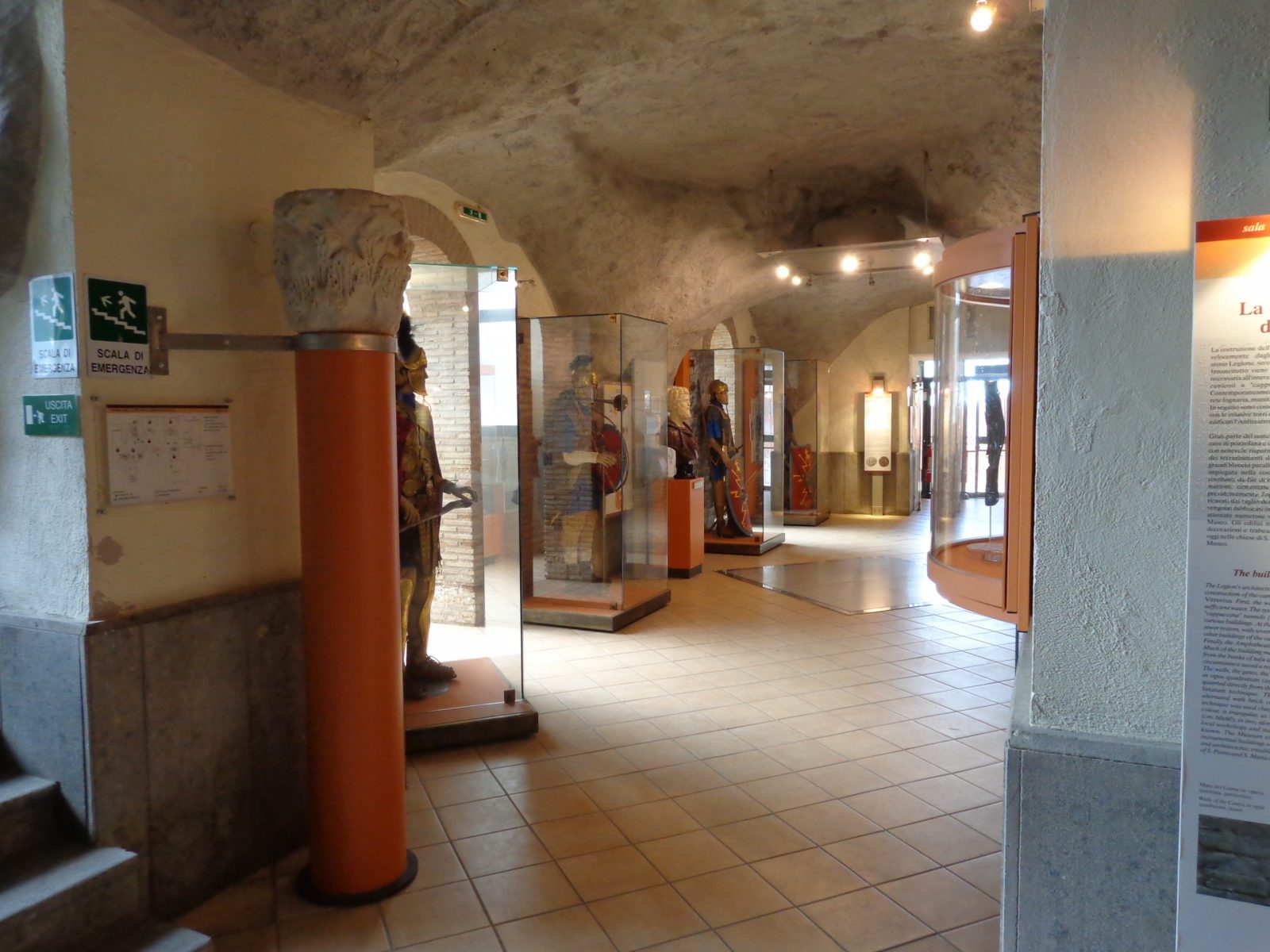
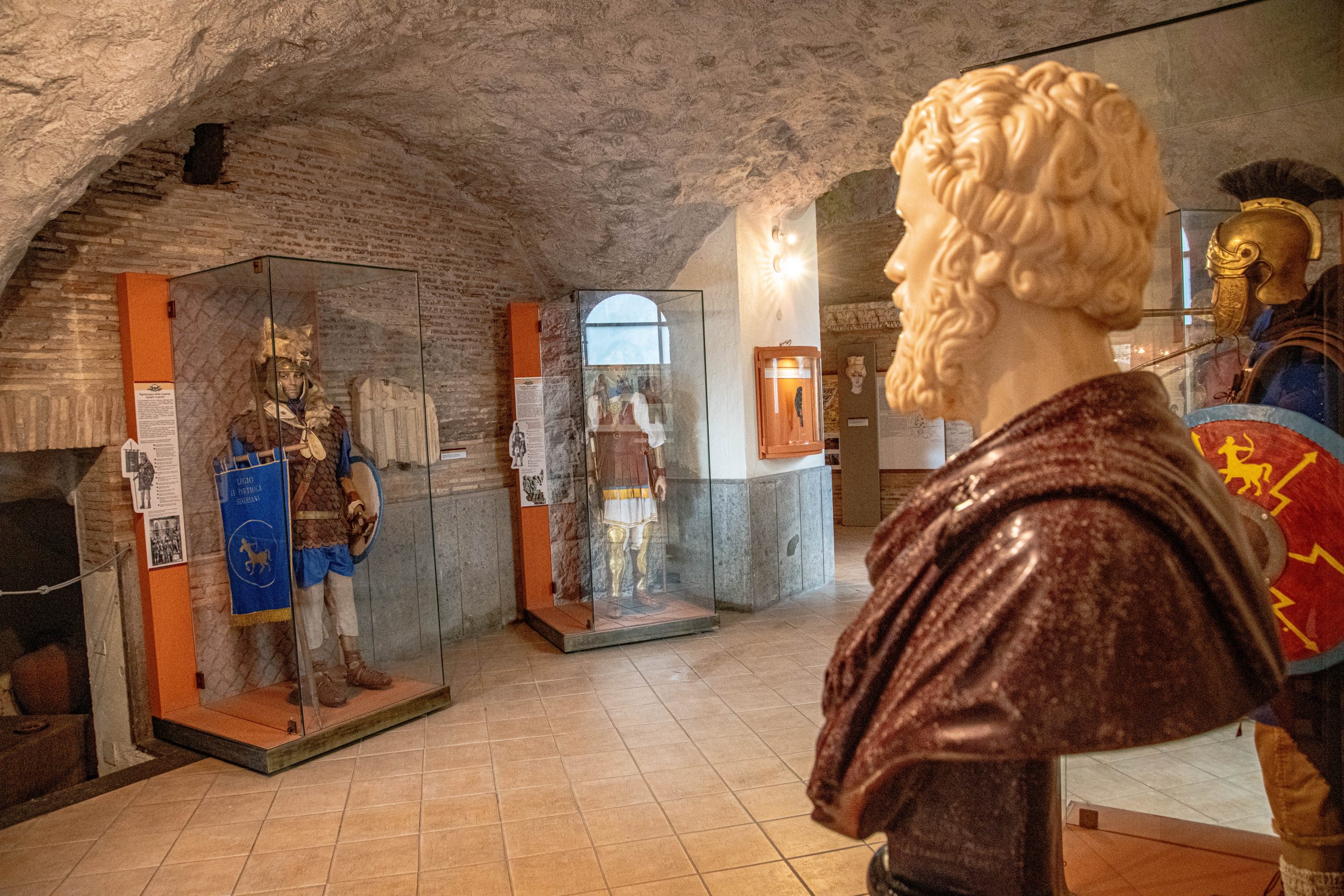
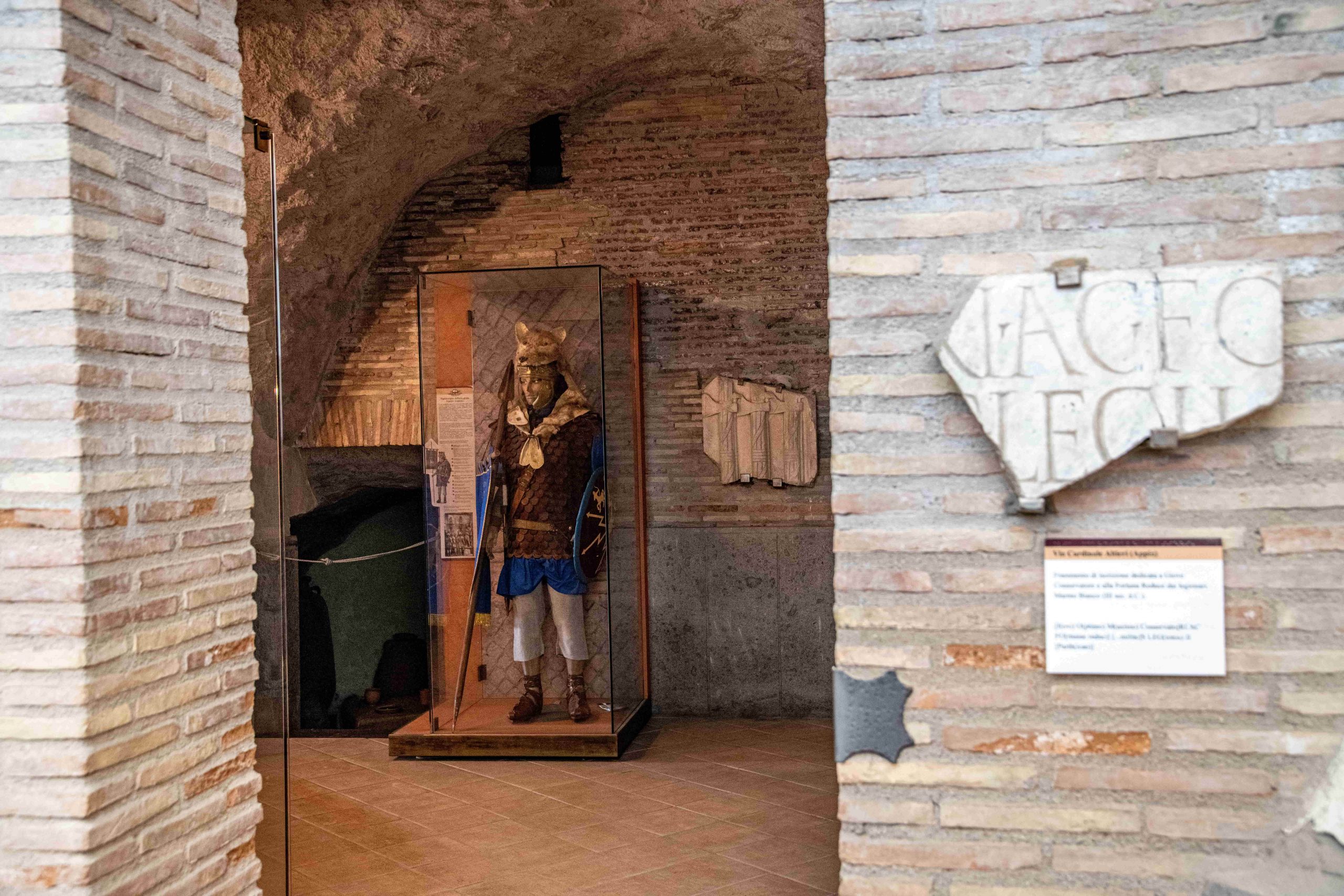
The main attraction of this exhibit is the reproduction of weaponry and clothing used by the most prominent military figures in the Legion, worn by six mannequins in 1:1 scale. The museum’s rooms host a variety of meaningful archeological finds from the Castra, among which a few stand out: an engraved tuff altar dedicated to Cassio Severiano, a high rank legionnaire; an incomplete engraved marble slab where the names of discharged legionnaires and their places of birth were recorded (many were from Dacia and Tracia); a bronze greave used for parrying, depicting the god Mars, jumping.
Other finds, recovered during standard archeological excavation campaigns conducted inside the Castrum, show the daily life of the legion: kitchen and mess hall vases, amphoras for wine, oil and tatum (a typical fish based sauce), along with coins, utensils and other odd objects like pawns, game dice and lead tiles meant to grant access the amphitheater. Numerous bricks and roof tiles, used in the construction of buildings, have a typical seal, stamped before firing, with the lettering LIIP (Legio Secunda Parthia) or LIIPS (Legio Secunda Parthia Severiana).
Lastly, particularly distinctive are the so-called cupae, a sarcophagus lid shaped like a chest made of tuff, often accompanied by an engraved chart, where soldiers and their families were buried, all around the city of Albano. A few more examples can be found in the exedra behind the Civic Museum and in the portico to enter Palazzo Savelli, where Albano’s city hall is located.
Video
Galleria
Campagna fotografica realizzata nell’ambito del progetto “Oltre Roma” e finanziata dalla Regione Lazio, Avviso Pubblico “La cultura fa sistema 2021”